From “Gay Plague” to Human Right: Activisms During HIV/AIDS Crisis in Brazil, 1980s-1990s
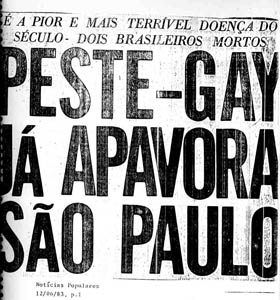
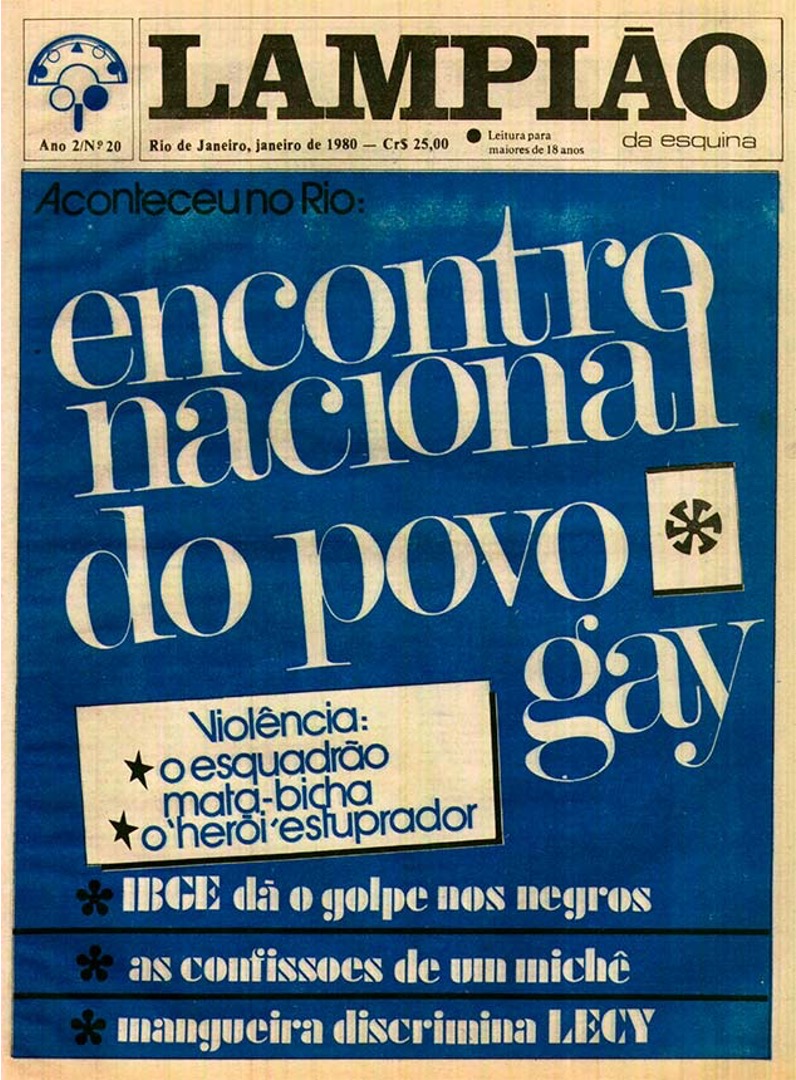
Figure1: The worst and most terrible disease of the century. Two Brazilians dead. ‘Gay Plague’ already terrifies São Paulo. Newspaper O popular, 1983.
In the 1980s, fear spread across Brazilian society. Newspapers O Povo (1983) described the first case of HIV/AIDS as the “gay plague, ” while other media claimed that AIDS was a health issue in the United States. Initially, many Brazilians believed HIV affected only gay men or foreigners. In 1988, some politicians even defended banning HIV-positive people from entering the country. The physician falsely claimed mosquitoes could spread the virus. Meanwhile, activists and people living with HIV pressured the Brazilian state to invest public money in the fight against HIV/AIDS in Brazil.1
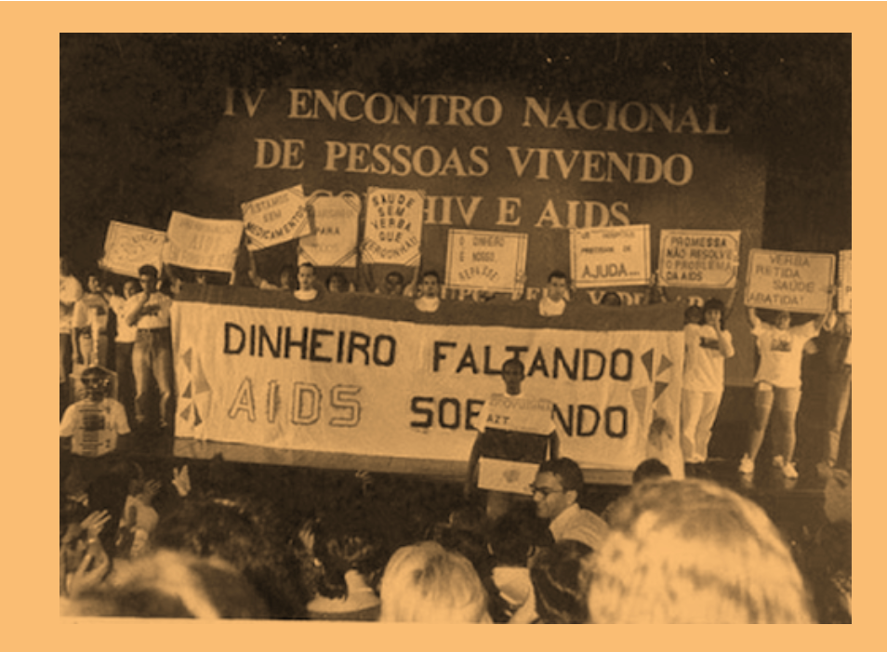
Figure2: 4th Meeting of People Living with HIV, Rio de Janeiro, 1991. The poster says Money is scarce, AIDS is not. Rio de Janeiro, 1991.
The HIV/AIDS crisis of the 1980s and 1990s coincided with Brazil’s period of redemocratization (1979-1985). This period marked a transition from dictatorship to democracy. Brazil was ending more than twenty years of military dictatorship (1964–1985). Political exiles and human rights activists returned to Brazil after years abroad. Social movements such as Black, queer, and feminist ones emerged. Politicians and social movements debated a new constitution to include labor rights, non-discrimination policies, and free public health as a constitutional right. This political transition shaped Brazil’s response to HIV/AIDS from the 1980s to the 1990s.1
Most of you are familiar with the United States’ response to HIV/AIDS. Under President Ronald Reagan, the federal government responded slowly to the demands of non-governmental organizations (NGOs), while many people in the US depended on private insurance for treatment. Brazil followed a different path. The Brazilian state worked with NGOs and activists. Together, they created national campaigns to challenge the idea that HIV/AIDS only affected gay men. Activists and politicians also contributed to legal rights such as retirement benefits for people living with HIV. In 1988, Brazil’s new constitution recognized healthcare as a right rather than a private service, expanding the treatment for poor people with HIV/AIDS. 1
One stated reason for building a men-only dorm is that Hokona Hall could be freed up to be used as a women-only dorm, where they would have supervision “of the best sort”.
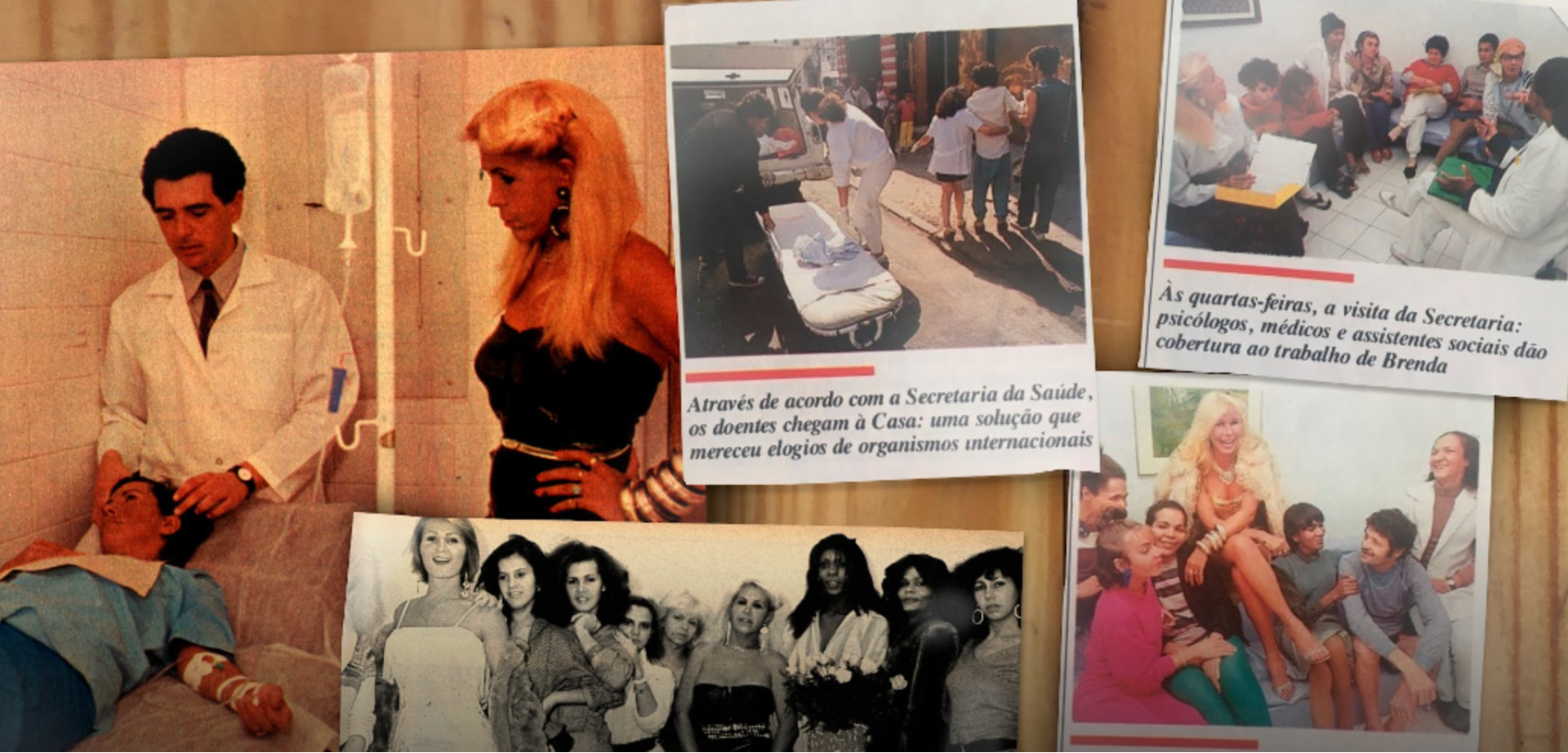
This story is about how activism contributed to the Brazilian state’s response to HIV/AIDS from the 1980s to the 1990s. In the first years of the epidemic, the state did not act fast enough. Groups such as ABIA, the Brazilian Interdisciplinary AIDS Association, pressured government officials to give people with HIV/AIDS access to treatment and produced public information via pamphlets and bulletins to show that everyone could be infected by HIV. In 1982, Brenda Lee created a shelter for trans people living with HIV/AIDS in São Paulo. Flight attendants brought medication from the United States to Brazil when many people could not access expensive medications like AZT. The 1996 law later made Brazil known for one of the most important public health responses to HIV/AIDS in the world. However, the Brazilian state did not achieve this alone. Earlier, activists, queer communities, and people living with HIV helped each other survive the epidemic and pressured the state to take immediate action. 1

Brenda Lee
4th Meeting of People Living with HIV, Rio de Janeiro, 1991. The poster says Money is scarce, AIDS is not. Rio de Janeiro, 1991.

Flight attendence
This image has a caption, but no title

4th Meeting of People Living with HIV
This is a story about.1
This page is the index.md file in your repository. You’ll evenually replace everything here with your own introduction to your scrollstory.
You should be viewing this page at https://[your-username].github.io/[repository-name]
So that you can edit this homepage for your own site, all the instructions for editing your site are on the instructions page.
The next section uses a basic scrollybox like you saw in Sapling. Keep scrolling to see text overlay a full-screen background image. 2
ABIA and State
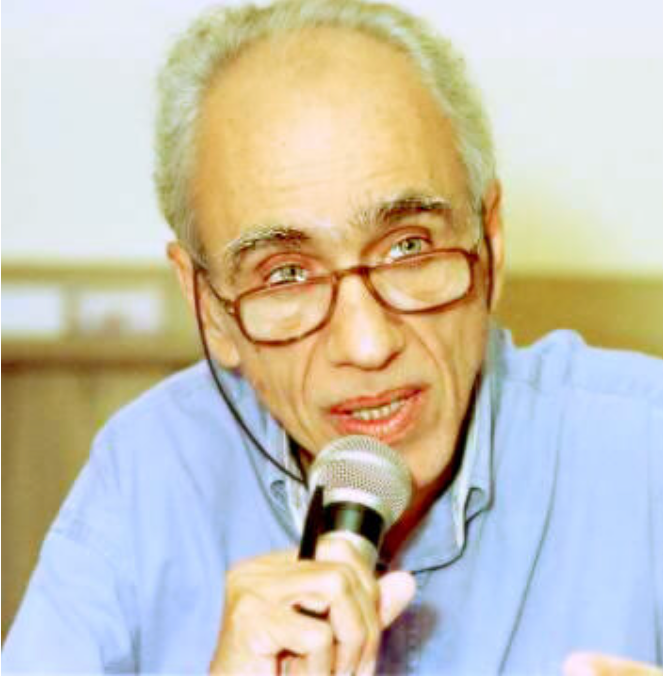
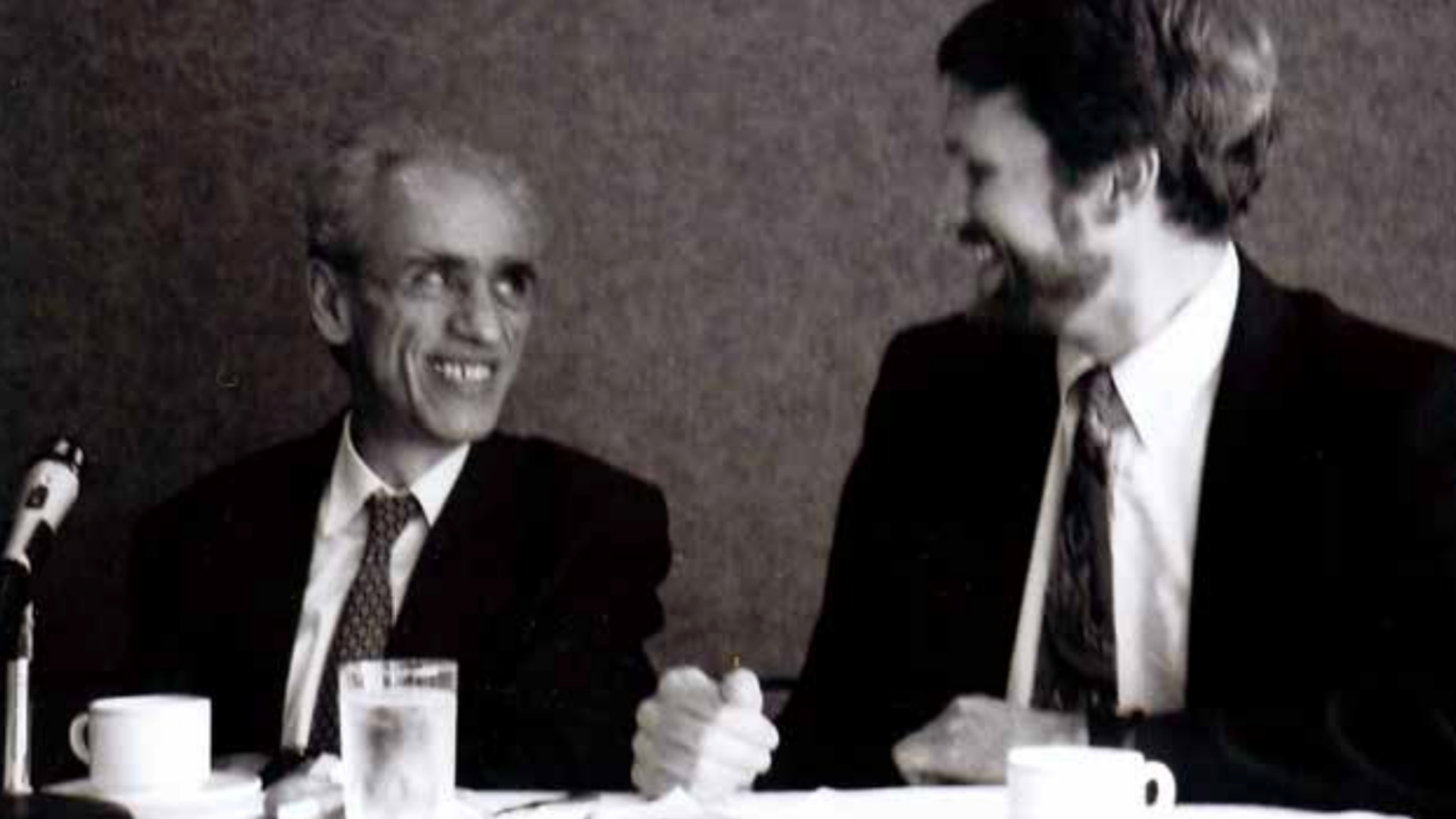
Figure2: Herbert José de Sousa, Betinho (1935-1997). Comitê Betinho 2023.
Outras formas de ativismo…
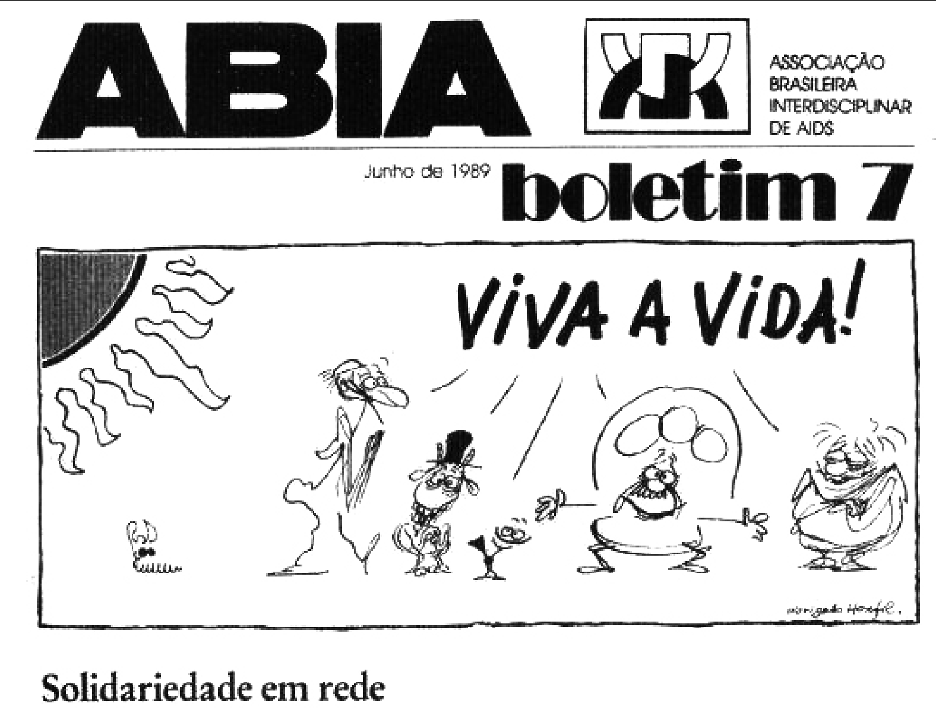
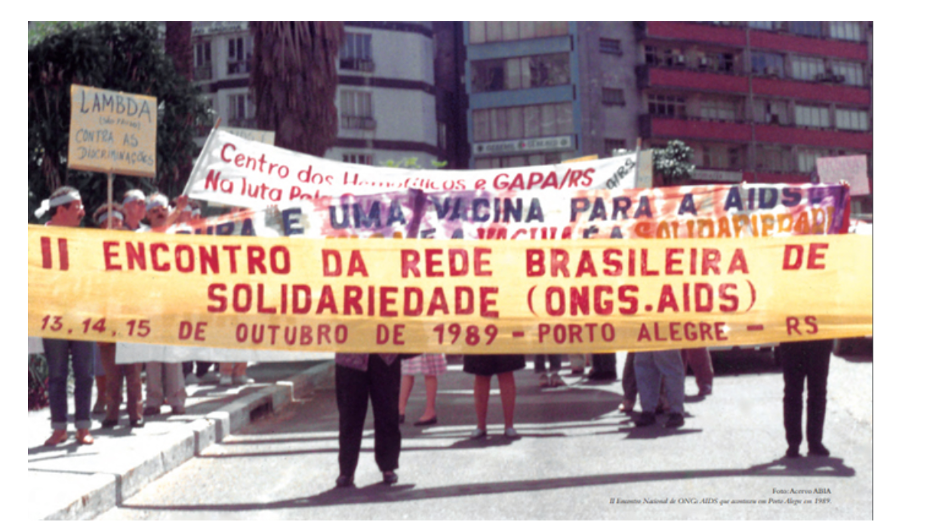
Figure3: Abia.
One stated reason for building a men-only dorm is that Hokona Hall could be freed up to be used as a women-only dorm, where they would have supervision “of the best sort”.
Image Carousels (From Sapling)
All Sapling components work in Forest too. Here’s a carousel for comparing multiple images:
brenda
abia
flight attendence
This image has a caption, but no title
Justapose
Below you’ll see a juxtapose component—an interactive slider that lets readers compare two images by dragging a handle left and right. Perfect for before/after, then/now, or any two related images.

The TV room becomes the History Department Common Room.
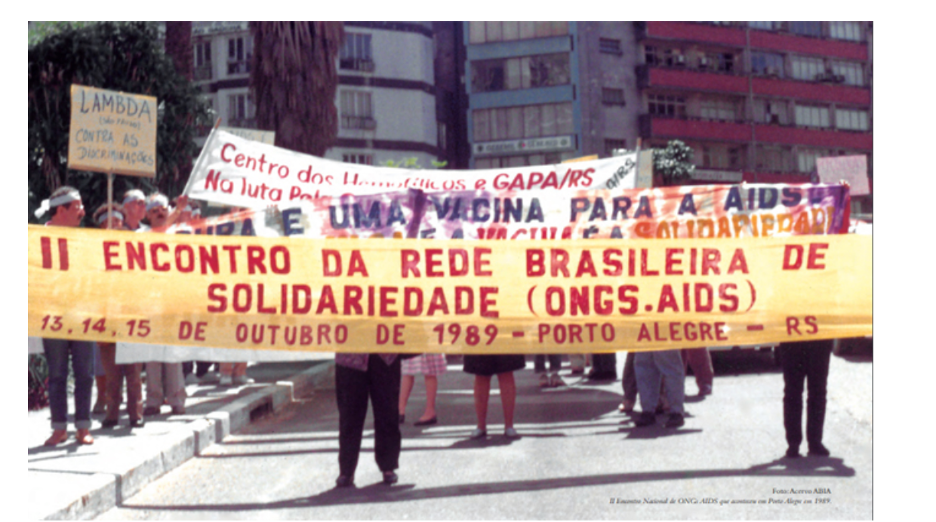
Figure4: Abia.
text…..
Background Switching: The Advanced Feature
This is what makes Forest essays truly cinematic. You’re about to scroll through a section where the background image switches as you read, creating a visual sequence that matches your narrative.
Watch carefully: The background will start with one image, then switch to another partway through. The text box stays visible throughout, but the background changes to match what you’re reading about.
Now we have a text box scrolling up over the first image. At various points (clearly labeled below) the background image will switch while the text continues scrolling.
This is perfect for visual sequences: walking through a building room by room, showing historical change over time, or revealing evidence step by step.
Lorem ipsum dolor sit amet, consectetur adipiscing elit. Phasellus nec ante ligula. Nulla fringilla ligula sit amet nisl consectetur ultricies. Mauris ac tellus eu ante lobortis rhoncus non eu nisl.
BACKGROUND IMAGE SWITCHES HERE
The New Background
Did you notice the background change? The floorplan switched to the TV room photo. Your text continued scrolling, but the visual context shifted.
Why use background switching?
- Narrative sequences (first this happened, then that)
- Spatial movement (from room to room, place to place)
- Evidence building (showing multiple sources for one argument)
- Visual comparisons while maintaining narrative flow
Duis ut dui dolor. Integer eu lectus at tellus accumsan euismod eget a ligula. Morbi venenatis, elit eu varius fermentum, ligula est dictum massa, sit amet ullamcorper augue nisl ut nunc.
The End of This Sequence
Watch as the text box scrolls out of view, followed by the background image fading away. Then normal scrolling resumes.
Conclusion
In cunclusion…
EXTRA
Bibliography
Primary Sources
- Anderson, Mark J. Virtual Heritage: Designing Immersive Experiences for Public History. Tucson: Sonoran Desert Press, 2019.
-
Appler, Jane, and Robert L. DeLeon. “Community Archives and Borderlands Memory Work: Rethinking Participation in the Digital Age.” Public History Quarterly 47, no. 3 (2021): 233–259.
-
Castillo, Elena. “Mapping Migration: GIS as a Tool for Storytelling in the U.S. Southwest.” Journal of Digital Humanities Methods 8, no. 1 (2020): 15–34.
-
Gonzalez, Maria P. Digital Storytelling in Community Contexts: Practices from the U.S.–Mexico Border. Albuquerque: High Mesa University Press, 2022.
-
Hwang, Daniel, and Lisa Moreno. “Reconstructing Place: Photogrammetry and 3D Modeling for Local History Museums.” In Digital Heritage and the Public, edited by S. Karim and A. Velasquez, 112–134. Austin: Western Humanities Collaborative, 2023.
-
Johnson, Lauren, and Emily Carter. “Metadata for the People: Participatory Cataloging in Community Archives.” Archivaria 92 (2021): 77–101.
-
Kiser, Thomas W. Humanistic Computing: Ethical Design for the Digital Humanities. Chicago: Lakeshore Academic Press, 2018.
-
Moreno, Pilar. “Digitizing Memory: Oral Histories and the Politics of Representation in the Southwest.” American Studies Review 65, no. 4 (2020): 421–440.
-
Rogers, Matthew, and Cynthia Lee. “Pedagogy in the Virtual Museum: Digital Literacy for History Students.” Teaching History with Technology 14, no. 2 (2022): 55–73.
- Tran, Michael, and Hannah Ruiz. Borderlands Data: Methods for Visualizing Regional History. Santa Fe: Southwest Humanities Institute Publications, 2021.